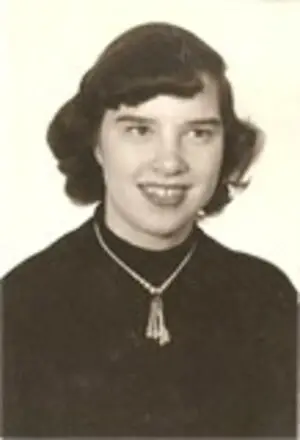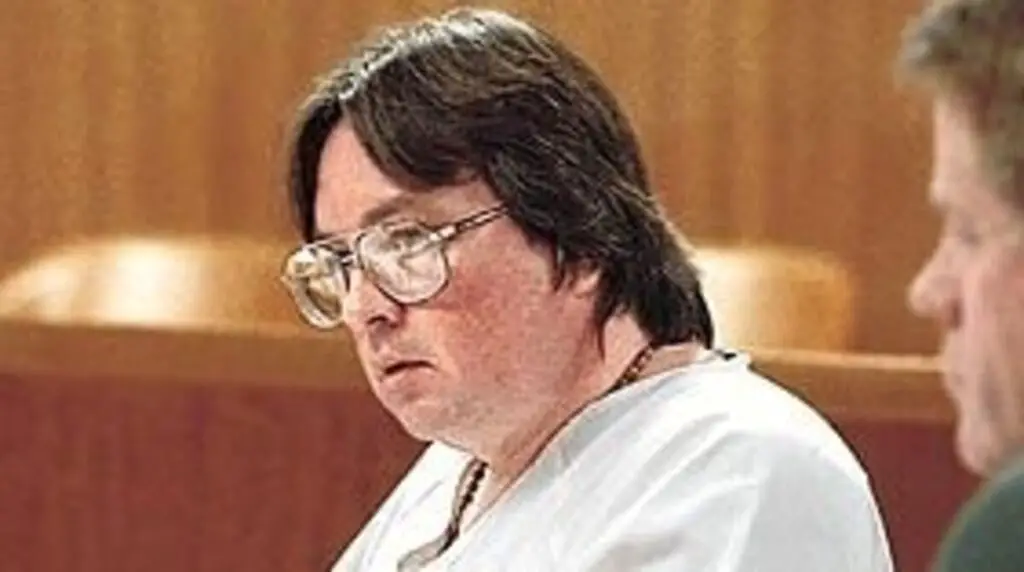


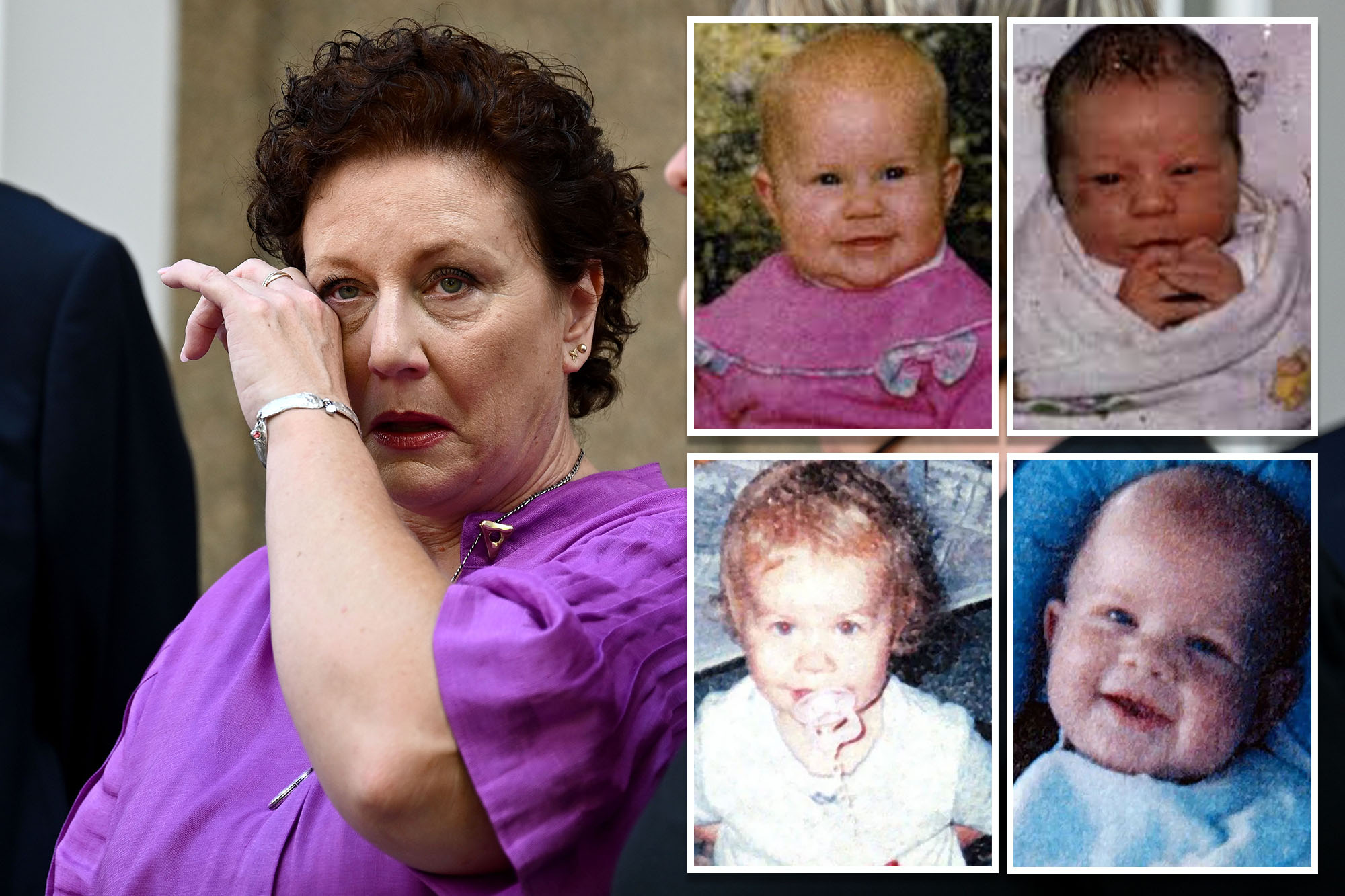

A kind gesture from an empathetic corrections officer helped dull the horrors of nighttimes in jail for Kathleen Folbigg.
“There was yelling and painful moaning, the best time to sleep was in the first two or three hours after we were all locked back in,” said Folbigg, who was sentenced to 20 years in jail after being wrongfully convicted of killing her four children.
“Once everyone’s medication wore off, the screaming of tortured minds began,” she said.
“Many a night I sat with head in hands rocking back and forth. Then a kind staff member gave me earplugs. They were life-changing.”
Folbigg, a mother from suburban Newcastle, had to adjust quickly to life on the inside.
“When I first entered jail, I may have looked strong and resilient, but tough I was not,” she reveals in her new book, “Inside Out.”
“I certainly didn’t resemble the person the media portrayed during the trial — a snarling, growling, abusive, intolerant type who killed her children to dance and gym her life away. So insulting and hateful.”
Admitting she got into a “scrap” every now and then, she learned about “prison society,” holding your own in a “dust-up” and earning respect.
She soon knew she had to maintain the illusion that she would fight back if challenged — her insurance policy against getting beaten up.
“Anything to make others think twice about roughing me up pretty much helped keep me alive,” she said.


“Keeping up that reputation — being ready to retaliate if necessary — gradually became second nature to me.”
Kathleen says when conflict started, women tended to get into a screaming match or make wild threats — but rarely did it escalate into anything serious.
“Occasionally it would turn into a shoving match, or maybe some pulling of hair or a punch or two would sort it out. From time to time there were organized fights. These usually took place in the privacy — loose term — of your cell, where in most no cameras were allowed.
“Fights like these were usually ‘Let’s see who can piss the furthest’ type things. I did get into a handful of situations where I had to be the bigger pisser or risk being on the receiving end of an attack that could land a person in hospital.”
Folbigg, who wrote the book with her best friend and staunch advocate Tracy Chapman, who was her lifeline and connection to the outside, said none of the physical confrontations she was involved in resulted in serious injury for anyone.
“Over the years, though, I heard stories of vicious fighting happening in other places: tactics of two or more ganging up on someone. I found that cowardly, but different rules apply in jail: the law of the jungle or survival of the fittest or meanest or toughest,” she explained.
“There were those who made sure everyone knew they were at the top of the food chain. Some got their power by staying under the radar and getting others to do all their dirty work for them.
“Then there were the ones such as me, who stayed quiet unless forced to be otherwise. So most people around the place avoided facing off with me because they were unsure how it would go.”
Folbigg eventually perfected the art of “friendly acquaintance.”
She gravitated to inmates who were nice enough to have a meal or joke around with.
“Laughter was very important to inmates. Sometimes the most absurd things caused hilarity — stories about someone falling over or hurting themselves by accident caused uproarious laughter,” she said.
“If jail bloopers ever became a thing, what a show that would be.”
Folbigg served 20 years for killing her children Patrick, Sarah Laura and Caleb, between 1989 and 1999. The children were between 19 days and 19 months old.
Prosecutors in the 2003 trial argued Folbigg smothered her children during periods of frustration and asserted that some of her diary entries were admissions of guilt.
But in June 2023, after new scientific evidence raised doubts over the guilty verdict, she was pardoned and released.
In December that year, Folbigg had her convictions quashed by the NSW Court of Criminal Appeal after two decades behind bars.
Debate rages today over what compensation she deserves for the lost years of income, loss of a normal life and for being branded a killer for all those years.
Premier Chriss Minns’ offer of a $2 million ex-gratia payment has been described by her supporters as beyond insulting.
Last week in a budget estimates hearing, Attorney General Michael Daley said “acquittal is not the same as innocence” and refused to answer whether he thought Folbigg was guilty.
The Folbigg team disagrees.
“Acquittal was the exoneration. That equals return of innocence to me,” Folbigg told news.com.au this week.
She said Daley’s reasoning that her acquittal is irrelevant shows “callousness and inhumane thinking.”
Daley also denied there was malicious prosecution or failure of police in spite of evidence from the Bathurst inquiry that Folbigg’s diary entries were misrepresented in the court proceedings.
Bathurst also found the evidence pointed to her being a “loving and caring mother” and her diaries were not admissions of murder.
Solicitor and Green spokesperson for Justice Sye Higgins said Daley “is just another man continuing the cycle of injustice and inhumanity.”
Folbigg’s book gives the community and politicians greater insight into what she went through for all those years: the pain at losing her babies, the shame and utter despair over her convictions and the relentless work of “Team Folbigg” that included Chapman and Rhanee Rego, Folbigg’s deeply devoted lawyer who largely worked pro bono and spent every waking moment fighting for justice.
“Since my situation was negative enough, I had no time for anyone who was a downer. I sought out the company of those who were more inclined to be jovial, fun, or who could have conversations that were not about the crimes they’d committed to get them here,” she explains in the book, to be released this week.
“Conversations with junkies I was almost rude in exiting as had zero interest and zero capacity to empathize, and the harrowing ones — how these women became addicted in the first place — could leave you overwhelmed with sadness, when some of the women telling them weren’t even 20 yet.
“That said, I was forced to share my cell with a few. Many a lesson was learned in tolerance and acceptance of other human beings’ faults. Thinking that I was ‘better than’ was not an option, and could lead to severe reactions, fights. No human wants it rubbed in their face that their life has gone in a disappointing direction. Yes, I learned, and sometimes the hard way.”
Folbigg says she also learned what sort of woman she was.
“Was there growth? I guess so. Mastering all things needed to survive prison? Yes. The inner strength part proven and accepted by me? Yes, okay. The ability to be more tolerant and giving in nature? I’d say. The ability to defuse situations? Yes.”
“While I chose to develop more positive aspects than negative ones in myself, of course I had to harden up. After all, I was in the jail system living alongside criminals, not studying flower arranging and how to set the table for a dinner party.”